Introduction to Residential Solar Installation Services
Solar energy has emerged as a crucial alternative to traditional energy sources in residential settings. As homeowners seek sustainable solutions to reduce their energy bills and carbon footprints, solar power becomes an attractive option. The residential solar installation process involves assessing a home’s energy needs, selecting appropriate solar technology, and integrating it seamlessly into the existing electrical system. Adopting solar technology not only leads to significant cost savings but also contributes positively to the environment.
Types of Residential Solar Systems
Homeowners can choose from several types of solar panel systems, each offering unique advantages and disadvantages. Understanding these systems can help in making informed decisions.
- Grid-Tied Solar Systems: These systems connect to the utility grid, allowing homeowners to sell excess energy back to the grid. They are cost-effective and easy to install, but they do not function during power outages.
- Off-Grid Solar Systems: Designed for homes not connected to the utility grid, these systems require battery storage. They provide energy independence but can be more expensive due to battery costs.
- Hybrid Solar Systems: Combining features of both grid-tied and off-grid systems, hybrid systems allow for battery storage and grid connection. They offer flexibility but generally come at a higher installation cost.
Residential Solar Installation Services – Popular brands such as SunPower, LG, and Canadian Solar offer a range of products catering to various needs, ensuring homeowners find the right fit for their energy requirements.
The Installation Process
The installation of residential solar systems involves several key steps, each requiring the expertise of various professionals.
- Consultation: Homeowners meet with solar consultants to discuss energy needs and evaluate the home’s suitability for solar installation.
- Design: A customized solar system is designed based on the consultation, taking into account the home’s energy consumption, roof space, and orientation.
- Permitting: Necessary permits are obtained from local authorities to ensure compliance with regulations.
- Installation: Skilled technicians install the solar panels, inverters, and any additional equipment.
- Inspection: A final inspection is conducted to confirm that the installation meets safety and performance standards.
- Activation: Once approved, the system is activated, allowing homeowners to start generating solar energy.
The entire process typically takes 1-3 months from consultation to activation, depending on the complexity of the installation.
Financial Considerations
Investing in residential solar installations comes with initial costs, but various financing options and incentives can make it more accessible for homeowners.
- Installation Costs: The average cost of installing a residential solar system ranges from $15,000 to $25,000, depending on the size and type of system.
- Financing Options: Options such as solar loans, leases, and power purchase agreements (PPAs) allow homeowners to pay for their systems over time.
- Incentives: Federal tax credits, state rebates, and local incentives can significantly reduce the net cost of solar installations.
Homeowners can expect to see substantial long-term savings on their energy bills, often recouping their investment within 5-10 years.
Maintenance and Support
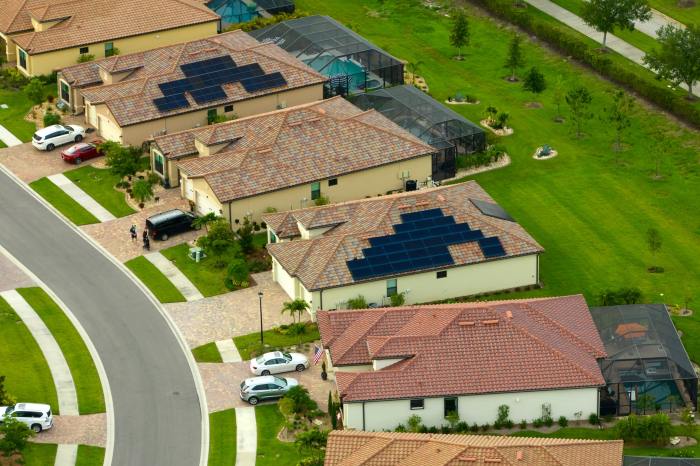
Maintaining a residential solar system is essential for optimal performance and longevity.
- Regular Inspections: Homeowners should schedule annual inspections to identify any potential issues early.
- Cleaning: Keeping solar panels clean from dirt, debris, and snow ensures maximum efficiency.
- Monitoring: Many systems come with monitoring software that tracks performance and alerts homeowners to any problems.
Post-installation support is also available, with many providers offering maintenance packages and customer service to assist homeowners as needed.
Environmental Impact, Residential Solar Installation Services
Switching to solar energy has significant environmental benefits, contributing to a reduction in greenhouse gas emissions.
- Lower Carbon Footprint: Solar energy generates electricity without releasing carbon dioxide, unlike fossil fuels.
- Resource Conservation: Solar panels harness energy from the sun, a renewable resource, reducing reliance on finite resources.
- Combatting Climate Change: By reducing greenhouse gas emissions, solar energy plays a vital role in mitigating climate change and its adverse effects.
With the increasing adoption of solar technology, the collective impact can lead to significant improvements in global environmental health.
Common Myths and Misconceptions
Despite the growing popularity of residential solar installations, several misconceptions continue to influence consumer decisions.
- Myth: Solar Panels Are Too Expensive: The costs have significantly decreased over the past decade, and several financing options make them affordable.
- Myth: Solar Energy Is Not Efficient: Modern solar panels have high efficiency rates, often exceeding 20%.
- Myth: Solar Systems Require Constant Maintenance: Solar systems require minimal maintenance, mainly cleaning and occasional inspections.
Debunking these myths is essential for encouraging more homeowners to consider solar energy as a viable option.
Future Trends in Residential Solar
The future of residential solar installations is bright, with emerging technologies and trends poised to transform the industry.
- Smart Home Integration: Solar systems are increasingly compatible with smart home technologies, allowing for better energy management.
- Battery Storage Advancements: Innovations in battery technology are making energy storage more efficient and affordable.
- Market Growth: The solar industry is projected to continue its rapid growth, driven by declining costs and increased public awareness of sustainability.
As technology evolves, homeowners can look forward to enhanced solar solutions that make energy use more efficient and sustainable.