Overview of Smart Rearview Mirrors: Smart Rearview Mirrors With Camera
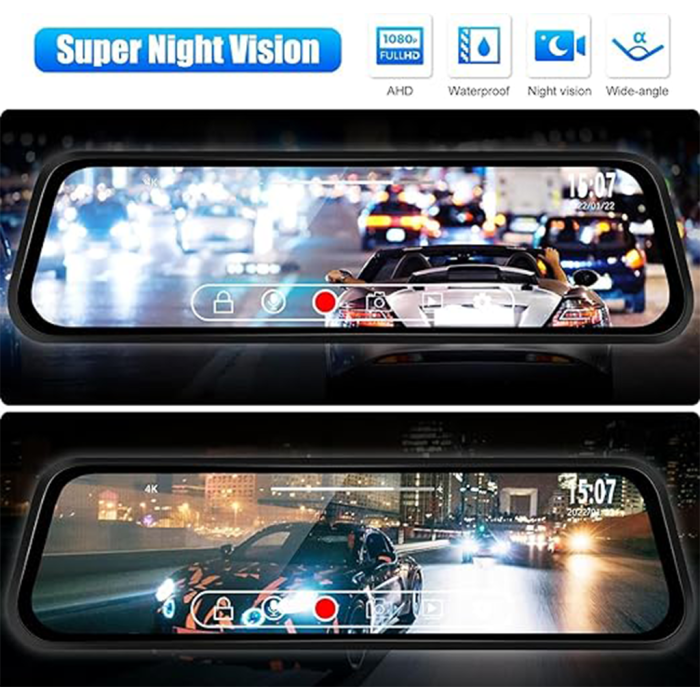
Smart rearview mirrors represent a significant advancement in automotive technology, integrating high-definition cameras with traditional mirror functions. These mirrors enhance visibility and provide a range of features designed to improve driving safety and convenience. By utilizing real-time video feeds, they offer a clearer view of the road and surroundings compared to standard mirrors, which can be limited by obstructions and blind spots.
The benefits of using a rearview mirror with a camera include improved visibility in various driving conditions, such as night driving or inclement weather. Additionally, many smart mirrors come equipped with features like navigation, Bluetooth connectivity, and collision warnings, making them multifunctional tools that enhance the overall driving experience. When considering smart rearview mirrors, key features to look for include high-definition display quality, ease of installation, and compatibility with other vehicle systems.
Types of Smart Rearview Mirrors
There are several types of smart rearview mirrors available on the market, each designed to cater to different needs and preferences. The primary categories include integrated systems, where the camera and mirror are combined into one unit, and standalone camera systems that can be mounted separately.
- Integrated Smart Mirrors: These mirrors come with built-in cameras, offering a seamless design and minimal installation effort. They often provide multiple functionalities, including navigation and smartphone connectivity.
- Standalone Camera Systems: These systems allow for more flexibility in camera placement but may require more complex installation. They can be adjusted independently for optimal viewing angles.
- Design Variations: Smart rearview mirrors are available in various designs, from sleek and modern to more traditional styles, catering to diverse consumer preferences.
Installation Process
Installing a smart rearview mirror can be accomplished in a few straightforward steps. First, it is essential to gather all necessary tools, including a screwdriver and wire connectors.
- Remove the existing rearview mirror by loosening the mounting bracket or clips.
- Connect the wiring harness from the new mirror to the vehicle’s wiring, ensuring secure connections for power and camera functionality.
- Mount the new mirror onto the bracket, adjusting it to the desired angle before securing it in place.
- Install the camera at the appropriate location, usually at the rear of the vehicle, ensuring it is correctly aligned for optimal visibility.
Proper wiring and camera placement are crucial for ensuring functionality. It is advisable to consult the user manual for specific instructions related to the mirror model. Safety precautions during installation should include disconnecting the vehicle battery to prevent electrical shocks and securing all wiring to avoid interference with vehicle operation.
Usage and Functionality, Smart Rearview Mirrors With Camera
Operating a smart rearview mirror typically involves familiarizing oneself with its various features and settings. Most mirrors feature touch screens or buttons that allow users to navigate through the available options.
- Common Features: Users can adjust brightness, switch between rearview and camera views, and access navigation systems directly from the mirror interface.
- Troubleshooting Tips: If the camera feed appears distorted or the mirror does not power on, checking the wiring connections and ensuring the vehicle’s battery is charged are good first steps.
Integration with Other Technologies
Smart rearview mirrors can seamlessly integrate with GPS and navigation systems, providing real-time directions directly in the driver’s line of sight. This integration enhances convenience and minimizes distractions while driving.
Compatibility with smartphone apps and devices is another significant advantage. Many smart mirrors support Bluetooth connectivity, allowing users to access music, make hands-free calls, and receive notifications without taking their eyes off the road. A comparison of smart rearview mirrors that offer voice control versus manual control highlights the increasing trend toward hands-free operation, improving user safety and convenience.
Safety Features and Benefits
Safety features included in smart rearview mirrors, such as collision warnings and lane departure alerts, significantly enhance driver awareness. These mirrors provide wider angles of vision, minimizing blind spots and improving overall visibility while driving.
Statistics have shown that vehicles equipped with smart rearview mirrors experience a notable reduction in accidents, largely due to the enhanced visibility and real-time alerts provided by these systems. The integration of advanced technologies into rearview mirrors contributes to safer driving environments.
Market Trends and Future Developments
Current trends in the smart rearview mirror market include the increasing adoption of high-definition displays and advanced driver-assistance systems (ADAS). Emerging technologies such as augmented reality (AR) and artificial intelligence (AI) are expected to influence future developments, leading to even more innovative features.
Consumer preferences are shaping product development, with a growing demand for mirrors that not only enhance safety but also offer connectivity and entertainment options. As technology continues to evolve, smart rearview mirrors are likely to play a pivotal role in the future of automotive design.
Price Range and Budget Considerations
The price range for smart rearview mirrors varies significantly based on features and brand. A comparison table of various models can help consumers make informed decisions.
| Model | Price Range | Key Features |
|---|---|---|
| Model A | $100 – $150 | Basic camera, Bluetooth connectivity |
| Model B | $150 – $250 | High-definition display, navigation integration |
| Model C | $250 – $400 | Advanced safety features, voice control |
Factors affecting the pricing of these products include brand reputation, technology integration, and warranty options. Budget-friendly options are available that do not compromise essential features, making smart rearview mirrors accessible to a wider range of consumers.