Introduction to Smart Lighting for Living Room
Smart lighting has revolutionized the way we illuminate our living spaces, merging aesthetics with advanced technology. This innovative concept integrates lighting with smart home systems, allowing homeowners to control and customize their lighting environments effortlessly. The significance of smart lighting in modern living rooms cannot be overstated, as it enhances both functionality and comfort.
Over the years, lighting technology has evolved from traditional incandescent bulbs to energy-efficient LEDs, culminating in today’s smart solutions. This evolution has not only improved energy consumption but has also paved the way for customizable lighting experiences. The benefits of incorporating smart lighting into home design are numerous, including enhanced ambiance, improved energy efficiency, and seamless integration with other smart home devices, creating a cohesive living environment.
Types of Smart Lighting Systems
Smart lighting systems come in various forms, catering to diverse needs and preferences. Understanding the different types available for living rooms can help homeowners make informed choices.
- Smart Bulbs: These are standard light bulbs that can connect to Wi-Fi or Bluetooth, allowing for remote control via apps or home assistants.
- LED Strips: Flexible strips of LED lights that can be installed in various areas, providing accent lighting and enhancing visual appeal.
- Smart Fixtures: Ceiling lights, wall sconces, and lamps designed with built-in smart technology for seamless integration.
Additionally, smart lighting can be integrated with home automation systems, allowing for synchronized control of lights with other smart devices, enhancing both convenience and security.
Features of Smart Lighting
Smart lighting systems boast a range of features that elevate the user experience and adapt to individual needs. Key features include:
- Remote Control: Users can manage their lights from anywhere using smartphone apps, offering convenience and flexibility.
- Dimming Options: Adjusting light intensity helps create the perfect atmosphere for any occasion.
- Scheduling: Setting timers for lights to turn on or off automatically contributes to energy savings and security.
- Voice Control: Compatibility with virtual assistants like Amazon Alexa and Google Assistant allows for hands-free operation.
- Customizable Lighting Scenes: Pre-set scenes for activities like watching movies or entertaining guests enhance the living room experience.
Installation and Setup
Installing smart lighting in the living room can be a straightforward process when following a step-by-step approach.
1. Assess Current Lighting: Evaluate existing fixtures and determine the best smart lighting options.
2. Choose Your Smart Lighting: Select from smart bulbs, LED strips, or smart fixtures based on your preferences.
3. Replace Existing Bulbs or Fixtures: Carefully install new smart devices according to manufacturer instructions.
4. Download Required Apps: For each smart device, download the corresponding app to facilitate control and customization.
5. Connect to Wi-Fi: Follow app instructions to connect your smart lights to your home Wi-Fi network.
6. Set Up and Customize: Use the app to configure settings, including brightness levels, schedules, and scenes.
For those integrating smart lighting with existing electrical systems, it’s essential to follow safety precautions and consult professionals if necessary.
Smart Lighting and Interior Design
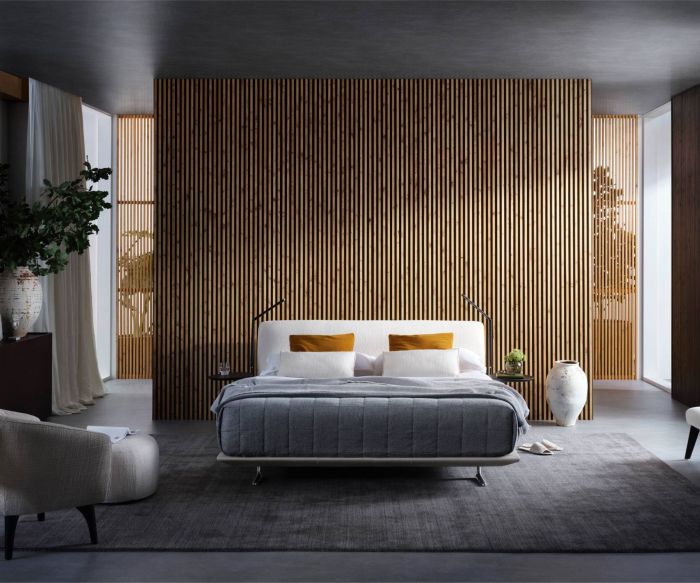
Smart lighting plays a crucial role in enhancing the aesthetics of a living room. The right lighting can dramatically affect the perception of space and ambience.
- Color Temperature Options: Warm white light creates a cozy atmosphere, while cool white enhances a modern look.
- Highlighting Architectural Features: Smart lighting can be used to accentuate artwork, architectural details, or unique furniture, drawing attention to the most striking elements of your design.
- Creative Design Ideas: Use LED strips beneath furniture or along shelves to create a floating effect, or install smart fixtures in unexpected locations for a contemporary flair.
Energy Efficiency and Sustainability
One of the most compelling advantages of smart lighting is its energy efficiency. Smart lighting solutions typically consume significantly less energy compared to traditional lighting options, leading to lower electricity bills.
– Smart bulbs, for example, can use up to 80% less energy than incandescent bulbs.
– The ability to schedule lights and control them remotely reduces unnecessary energy consumption.
This energy efficiency contributes to overall sustainability in homes, minimizing the carbon footprint. Statistics show that homes using smart lighting can reduce their energy consumption by up to 30%, highlighting the environmental benefits of adopting these technologies.
Troubleshooting Common Issues
Users of smart lighting systems may encounter common issues that can disrupt their experience.
– Connectivity Problems: If lights do not connect to the app or Wi-Fi, ensure the device is within range of the router and check for any firmware updates.
– App Malfunctions: Restarting the app or reinstalling it can often resolve glitches.
– Maintenance Tips: Regularly check for updates and clean the fixtures to extend the longevity and performance of smart lighting products.
Future Trends in Smart Lighting, Smart Lighting for Living Room
The future of smart lighting is bright, with trends and innovations continuously reshaping the landscape. Advances in LED technology, including dynamic lighting capabilities and enhanced color options, are on the horizon.
– The integration of smart lighting with home security systems is expected to grow, providing homeowners with enhanced security and peace of mind.
– Predictions indicate a rise in fully automated lighting systems that adapt not only to user preferences but also to environmental conditions, such as natural light availability.
Stay tuned for the future of smart home integration, where technology and design converge to create smarter, more efficient living environments.