Overview of Energy-Efficient Light Bulbs
Energy-efficient light bulbs have revolutionized the way we illuminate our spaces, offering significant advantages over traditional incandescent bulbs. These modern lighting options are designed to consume less electricity while providing the same, if not better, levels of brightness, making them a vital component in efforts to reduce energy consumption and environmental impact.
The primary difference between energy-efficient light bulbs and traditional incandescent bulbs lies in their technology and efficiency. While incandescent bulbs convert only about 10% of the energy they use into visible light, energy-efficient options boast much higher efficiency rates. For instance, LED bulbs use up to 80% less energy and last up to 25 times longer than their incandescent counterparts. Additionally, the environmental benefits of adopting energy-efficient lighting solutions are profound, significantly lowering greenhouse gas emissions and decreasing the demand for fossil fuels used in electricity generation.
Types of Energy-Efficient Light Bulbs
There are several types of energy-efficient light bulbs available today, each with its unique characteristics. The most common types include LED (Light Emitting Diodes), CFL (Compact Fluorescent Lamps), and halogen bulbs. Understanding the pros and cons of each type can aid consumers in making informed decisions.
- LED Bulbs: LEDs are known for their longevity and energy efficiency. They consume minimal energy and have an average lifespan of up to 25,000 hours. However, they can have a higher initial cost compared to other types.
- CFL Bulbs: CFLs are more affordable and energy-efficient than incandescent bulbs, with a lifespan of 7,000 to 10,000 hours. The downside is that they contain small amounts of mercury, which requires careful disposal.
- Halogen Bulbs: These bulbs provide bright, white light and are a more efficient version of incandescent bulbs, lasting about 2,000 hours. However, they generate more heat and can be less energy-efficient than LEDs and CFLs.
Applications for each type of bulb vary; for example, LEDs are ideal for outdoor lighting and fixtures where longevity is crucial, while CFLs are often used in residential settings where initial cost is a primary concern. Halogen bulbs are frequently utilized in task lighting due to their excellent color rendering.
Benefits of Using Energy-Efficient Light Bulbs
Switching to energy-efficient light bulbs can lead to considerable cost savings over time. The lower energy consumption translates directly into reduced electricity bills, making it a financially sound choice for both households and businesses.
Additionally, energy-efficient light bulbs play a critical role in reducing carbon footprints. By consuming less power, they contribute significantly to lowering greenhouse gas emissions associated with electricity production.
The longevity of these bulbs presents another advantage. Energy-efficient light bulbs typically last much longer than traditional options, which reduces the frequency of replacements and maintenance. For instance, an LED bulb may last 25 times longer than an incandescent bulb, resulting in fewer resources used for production and waste disposal.
Installation and Usage Guidelines, Energy-Efficient Light Bulbs
Installing energy-efficient light bulbs is straightforward, but following safety protocols is essential. Here’s a step-by-step guide for safe installation:
- Ensure the power is turned off at the circuit breaker before beginning.
- Carefully remove the old bulb by twisting it counterclockwise.
- Insert the new energy-efficient bulb by aligning it with the socket and twisting it clockwise.
- Turn the power back on and test the new bulb to ensure it operates correctly.
While using energy-efficient light bulbs, certain common mistakes can hinder their efficiency:
- Using them in enclosed fixtures that restrict airflow can lead to overheating.
- Mixing different types of bulbs in the same fixture may cause inconsistent lighting quality.
- Neglecting to clean bulbs regularly can reduce light output and efficiency.
To maximize the efficiency and lifespan of energy-efficient lighting, consider using dimmer switches compatible with LED and CFL bulbs, and avoid frequent on-off cycles, as they can reduce the lifespan of some types of bulbs.
Energy-Efficient Light Bulbs in Commercial Settings
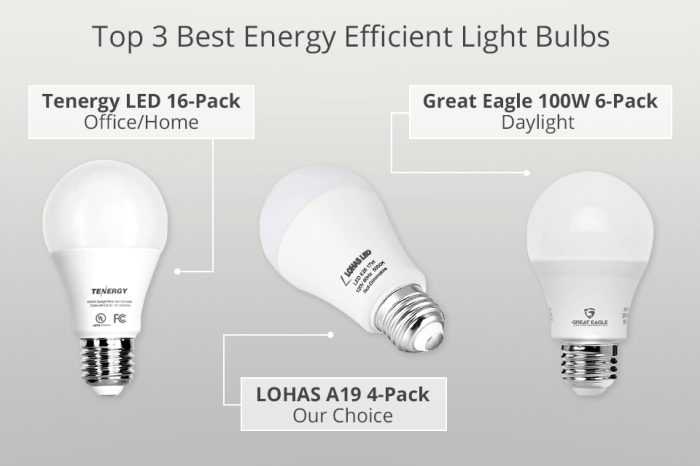
The impact of energy-efficient light bulbs on business operational costs cannot be overstated. By reducing energy consumption, businesses can significantly lower their utility bills, freeing up capital for other investments.
Numerous companies have successfully implemented energy-efficient lighting solutions. For instance, retail stores that switched to LED lighting reported a dramatic decrease in energy costs and an increase in customer satisfaction due to better lighting quality.
Additionally, regulatory incentives are available for businesses transitioning to energy-efficient lighting. These may include tax credits, rebates, and grants designed to encourage sustainable practices and reduce overall energy consumption in commercial settings.
Future of Energy-Efficient Lighting
Emerging technologies in energy-efficient lighting are paving the way for even greater advancements. Innovations such as smart lighting systems that adjust based on occupancy and daylight conditions are becoming increasingly popular.
Consumer preferences are also shifting towards more sustainable and efficient lighting solutions. As awareness of environmental issues grows, more individuals are opting for products that support energy conservation.
Legislative changes aimed at improving energy efficiency standards are likely on the horizon, further propelling the adoption of energy-efficient lighting. This may include stricter regulations on incandescent bulbs and incentives for manufacturers producing high-efficiency alternatives.