Overview of Smart Thermostats: Smart Thermostats For Home 2025 Deals
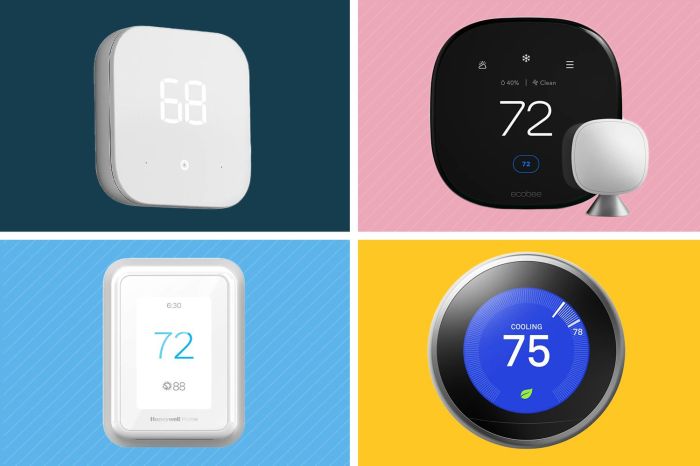
Smart thermostats have evolved significantly over the past decade, transforming the way we manage home heating and cooling systems. These innovative devices have become integral to modern homes, providing not only comfort but also increased energy efficiency. The significance of smart thermostats lies in their ability to learn user preferences, adapt to changing conditions, and connect seamlessly with other smart home technologies.
The technology behind smart thermostats typically includes sensors, Wi-Fi connectivity, and machine learning algorithms. These features enable them to monitor environmental conditions in real-time and adjust settings accordingly. While traditional thermostats require manual adjustments, smart thermostats can be controlled remotely through smartphones or voice-activated devices, ensuring optimal climate control based on user habits.
The benefits of using smart thermostats over traditional ones are numerous. They offer enhanced energy savings, often leading to lower utility bills, and provide users with real-time insights into their energy consumption. Additionally, many smart thermostats come equipped with features like geofencing, which adjusts the temperature based on whether the user is home or away, further optimizing energy usage.
Features to Look for in Smart Thermostats for 2025
When considering a smart thermostat for your home in 2025, several essential features should be taken into account. These features not only enhance user experience but also ensure compatibility with an increasingly interconnected home.
- Wi-Fi Connectivity: Essential for remote access and integration with smart home ecosystems.
- Energy Monitoring: Provides insights into energy consumption, helping users make informed decisions.
- Learning Capabilities: Adapts to user preferences over time, optimizing comfort and efficiency.
- Compatibility: Ensures seamless operation with existing home automation systems and devices.
- Smart Sensors: Monitor humidity and temperature, allowing for precise climate control.
The importance of compatibility with home automation systems cannot be overstated. A smart thermostat that integrates well with devices like smart speakers and security systems can enhance the overall convenience and efficiency of a smart home. Furthermore, energy-saving features such as adaptive scheduling and automated temperature adjustments can significantly impact utility bills, making it an investment worth considering.
Top Smart Thermostat Models for 2025
As we look ahead to 2025, several smart thermostat models stand out due to their advanced features and user feedback. A comparative analysis of these models reveals their strengths and weaknesses.
| Model | Key Features | User Rating |
|---|---|---|
| Nest Learning Thermostat | Self-learning, Energy History, Remote Control | 4.8/5 |
| Ecobee SmartThermostat | Remote Sensors, Voice Control, Energy Reports | 4.7/5 |
| Honeywell Home T9 | Smart Room Sensors, Scheduling, Mobile App Control | 4.5/5 |
User reviews and feedback highlight the Nest Learning Thermostat for its intuitive learning capabilities and user-friendly interface, while the Ecobee SmartThermostat is praised for its remote sensors that effectively manage temperature across larger homes. The Honeywell Home T9 is noted for its robust scheduling options and ease of installation.
Current Deals and Discounts on Smart Thermostats
In 2025, various popular retailers are offering enticing deals on smart thermostats. Major retailers such as Amazon, Best Buy, and Home Depot frequently provide discounts, especially during seasonal promotions.
Seasonal promotions, such as Black Friday and Cyber Monday, present fantastic opportunities to purchase smart thermostats at reduced prices. To take full advantage of these deals, consumers should remain vigilant and compare prices across different platforms.
Finding the best online coupons can significantly enhance savings on smart thermostat purchases. Websites dedicated to coupon aggregation often list valid promo codes and discounts, making it easier for buyers to save money.
Installation Process for Smart Thermostats
Installing a smart thermostat is a straightforward process that can be completed in a few simple steps. Understanding the installation process is essential for ensuring optimal functionality and reliability.
1. Turn Off Power: Begin by turning off the power to your HVAC system at the circuit breaker.
2. Remove the Old Thermostat: Carefully detach the old thermostat from the wall, noting the wiring configuration.
3. Connect the New Thermostat: Follow the manufacturer’s instructions to connect the wires to the corresponding terminals on the new device.
4. Attach the Thermostat to the Wall: Secure the new thermostat in place and ensure it is level.
5. Restore Power: Turn the power back on and follow the setup instructions provided with the thermostat.
Essential tools for installation include a screwdriver, wire stripper, and level. Always prioritize safety by ensuring power is turned off during the installation. If issues arise, troubleshooting tips for common installation problems include checking wire connections and ensuring the device is properly calibrated.
Maintenance Tips for Smart Thermostats
Regular maintenance is crucial for ensuring the optimal performance of smart thermostats. Simple tasks can help prolong the life of the device and maintain efficient operation.
Key maintenance tasks include:
– Cleaning the Device: Regularly dust off the thermostat and check for any obstructions around its sensors.
– Checking for Software Updates: Keeping the thermostat software up-to-date ensures access to the latest features and security enhancements.
– Monitoring Performance: Be observant for signs that indicate servicing may be needed, such as inconsistent temperatures or connectivity issues.
When a smart thermostat needs servicing, indicators might include erratic behavior or failure to connect to Wi-Fi. For troubleshooting connectivity issues, restarting the device and checking the home network can often resolve minor problems.
The Future of Smart Thermostats Beyond 2025, Smart Thermostats for Home 2025 Deals
The future of smart thermostats looks promising, with several trends expected to shape the technology landscape. Anticipated advancements in energy efficiency and user interface design will likely enhance user experience and sustainability.
Emerging technologies, such as artificial intelligence (AI) and the Internet of Things (IoT), are set to play a pivotal role in the evolution of smart thermostats. AI may enable more personalized home climate management, learning user patterns with even greater precision, while IoT integration can facilitate seamless communication between devices.
As innovations continue to unfold, smart thermostats are expected to become even more intuitive, allowing for greater energy savings and user control. These advancements will not only contribute to enhanced comfort but also support broader environmental sustainability efforts.