Benefits of Buying Artificial Plants for Indoors: Buy Artificial Plants For Indoors
Artificial plants have gained popularity as a practical alternative to real plants, especially for indoor environments. They provide a variety of advantages that make them an appealing choice for homeowners and decorators alike.
One of the primary benefits of artificial plants is their low-maintenance nature. Unlike real plants, which require regular watering, sunlight, and pruning, artificial plants only need occasional dusting. This means you can enjoy the beauty of greenery without the hassle of upkeep. Additionally, artificial plants do not attract pests or suffer from diseases, ensuring a worry-free experience.
From an aesthetic perspective, artificial plants can dramatically enhance the indoor décor. They can be placed in any room, complementing various design styles, and are available in a wide array of colors and shapes. This versatility allows for creative arrangements that can brighten up any space without the limitations imposed by natural light.
Types of Artificial Plants Available
The market offers a diverse range of artificial plants suitable for indoor use. Here are some popular types you might consider:
- Artificial Foliage: Includes various types of leaves and bushes.
- Flowering Plants: Such as artificial orchids, roses, and other blooms.
- Succulents and Cacti: Perfect for modern décor styles.
- Tree Replicas: Including palms, ficus, and bonsai.
- Herb Plants: Such as basil, thyme, and mint for kitchen displays.
These artificial plants are crafted from various materials, including plastic, silk, and polyester. High-quality artificial plants often feature more realistic textures and colors, while lower-quality options may look synthetic and less appealing. Investing in high-quality pieces can significantly enhance the overall look of your indoor space.
How to Choose the Right Artificial Plant
Selecting the right artificial plant involves considering several key criteria to ensure they fit seamlessly into your indoor environment.
Firstly, evaluate the size and scale of the plants. Larger plants can serve as statement pieces, while smaller ones can be used for subtle accents. It is crucial to consider the proportions of your room to avoid overcrowding or underwhelming the space.
Additionally, matching artificial plants with your existing home décor style is essential. Whether your home features a minimalist, rustic, or traditional design, there are artificial plants that will harmonize beautifully with your aesthetic.
Placement and Arrangement of Artificial Plants
The strategic placement of artificial plants can significantly enhance the visual appeal of your indoor spaces. Consider the following tips for effective arrangements:
- Corner Spaces: Tall plants work well in corners to draw the eye upward.
- Tabletops: Use small plants on tables, shelves, or window sills for added charm.
- Layering: Group plants of varying heights together for a dynamic display.
- Natural Light: Place plants near windows for an authentic feel, even if they are artificial.
Incorporate multiple plants for a lush, garden-like atmosphere. An optimal choice would be to use a mix of textures and colors to create a visually engaging arrangement.
Maintaining Artificial Plants
Maintaining the appearance of artificial plants is simple, requiring only basic cleaning procedures. Regularly dust your plants using a soft cloth or a feather duster to prevent the build-up of dirt and debris.
When not in use, store artificial plants in a cool, dry place to prevent dust accumulation. It’s also advisable to cover them to protect from fading due to sunlight exposure over time, ensuring they retain their vibrant colors.
Cost Considerations for Buying Artificial Plants, Buy Artificial Plants for Indoors
The cost of artificial plants varies widely depending on the type, quality, and retailer. On average, you can expect to pay anywhere from $10 to $300 for a single piece, depending on its size and craftsmanship.
Investing in artificial plants offers long-term savings, as they do not require replacement like real plants might. Plus, they do not incur ongoing costs for soil, pots, or fertilizers.
| Retailer | Average Price Range |
|---|---|
| Home Depot | $15 – $150 |
| Wayfair | $20 – $200 |
| IKEA | $10 – $80 |
| Amazon | $5 – $300 |
Popular Brands for Artificial Plants
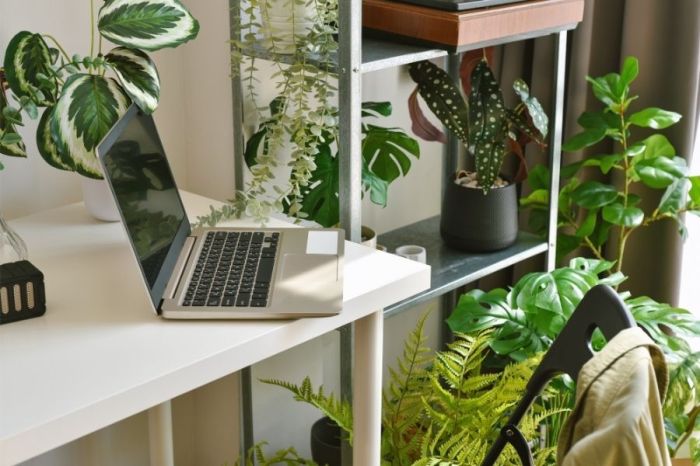
Several brands are renowned for their quality artificial plants, each offering unique features that set them apart. Notable names include:
- Nearly Natural: Known for lifelike representations of plants.
- Faux Plants: Offers a wide variety of designs suitable for all décor styles.
- Bloomingville: Focuses on trendy, contemporary designs.
Each brand has its unique selling points, from realistic textures to innovative designs, ensuring there’s something for everyone.
DIY Artificial Plant Projects
Creating custom artificial plants can be a fun and rewarding project. Here’s a simple step-by-step guide for making your own:
- Gather materials: Choose faux foliage, a pot, and decorative stones or soil.
- Prepare the pot: If using a pot, fill it with stones or soil to anchor the plants.
- Arrange the foliage: Insert the stems into the pot, adjusting for height and fullness.
- Finish your arrangement: Add decorative elements like ribbons or fairy lights for a personal touch.
For those who prefer to personalize store-bought plants, consider adding custom embellishments or changing the pot for a unique look. Essential materials may include paint, fabric, and adhesive.
Creating your own artificial plants not only enhances your living space but also allows for creative expression and personal style.