Importance of Eco-Friendly Cleaning Options
In today’s environmentally conscious world, the importance of choosing eco-friendly cleaning options cannot be overstated. Traditional cleaning products often contain toxic chemicals that can harm both the environment and our health. By opting for cloth napkins and towels instead of disposable alternatives, consumers can significantly reduce their ecological footprint. Using reusable products not only conserves resources but also leads to substantial long-term cost savings.
Environmental Impact of Traditional Cleaning Products
The environmental impact of traditional cleaning products is profound, contributing to pollution and waste. Many of these products are packaged in single-use plastics, which end up in landfills or oceans, taking centuries to decompose. Additionally, the harsh chemicals in these products can contaminate water sources, harming aquatic life and ecosystems.
Benefits of Cloth Napkins and Towels
Switching to cloth napkins and towels offers numerous benefits:
- Reduced waste: Unlike paper products, cloth items can be washed and reused multiple times.
- Lower chemical exposure: Cloth products typically require less harsh cleaning solutions.
- Cost-effectiveness: Though the initial investment may be higher, cloth napkins and towels save money over time by eliminating the need for constant repurchase of disposables.
Long-Term Cost Savings
Investing in quality cloth napkins and towels can lead to significant savings. For instance, a set of durable cloth napkins may initially cost $30, but with proper care, they can last for years, while a family might spend $5 monthly on disposable napkins. Over time, this small change can lead to hundreds of dollars saved annually.
Types of Cloth Napkins and Towels Available
When considering eco-friendly options, it is essential to be aware of the various types of materials used in cloth napkins and towels. The choice of fabric can greatly influence the effectiveness and usability of these products.
Materials Used in Eco-Friendly Cloth Products
Eco-friendly cloth products are often made from sustainable materials such as:
- Bamboo: Highly absorbent and biodegradable, bamboo fabric is a sustainable choice.
- Organic Cotton: Grown without harmful pesticides, organic cotton is soft and durable.
- Hemp: Known for its strength and absorbency, hemp is a fantastic eco-friendly option.
Effectiveness of Different Fabrics for Cleaning
Not all fabrics are created equal when it comes to cleaning. For instance, microfiber is renowned for its ability to trap dirt and dust, making it a highly effective option. Cotton, while less absorbent than microfiber, is still a reliable choice for everyday cleaning tasks.
Popular Brands Offering Sustainable Cloth Cleaning Options
Several brands stand out in the eco-friendly cloth market:
- Seventh Generation: Known for its commitment to sustainability.
- Ecolution: Offers a wide range of eco-friendly cleaning cloths.
- Brooklinen: Provides luxurious yet sustainable napkins and towels.
Best Practices for Using Cloth Napkins and Towels
To maximize the benefits of cloth napkins and towels, it is essential to employ best practices in their use and maintenance.
Proper Use of Cloth Napkins for Cleaning
Using cloth napkins effectively for cleaning involves:
- Choosing the right napkin for the task at hand (e.g., larger napkins for spills).
- Using the cloth dry for dusting and damp for wiping surfaces.
- Rotating between multiple cloths to ensure efficiency.
Maintenance and Care for Cloth Towels
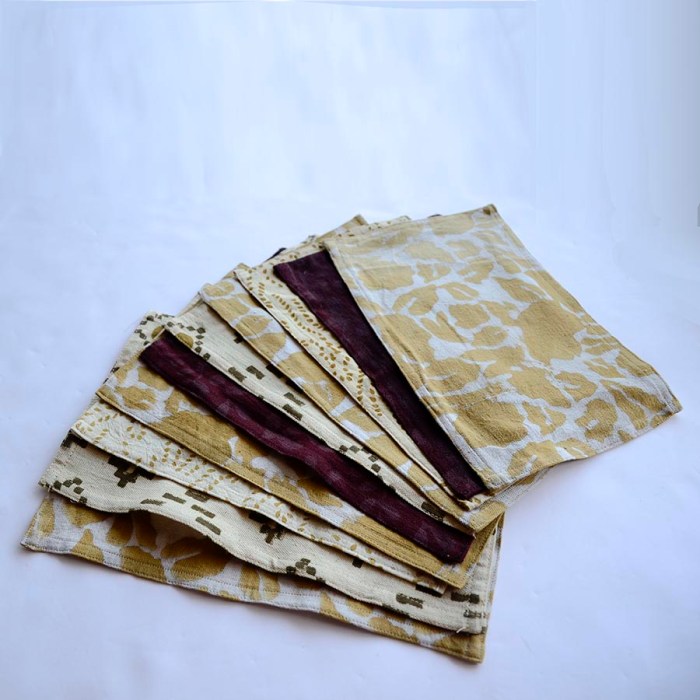
To extend the lifespan of cloth towels, follow these care tips:
- Wash with eco-friendly detergents on a gentle cycle.
- Avoid fabric softeners, which can reduce absorbency.
- Dry towels on low heat or air dry to conserve energy.
Integrating Cloth into Daily Cleaning Routines
Creating a seamless routine for using cloth napkins and towels is important. Consider this checklist:
- Designate specific cloths for different cleaning tasks.
- Store clean cloths in an easily accessible location.
- Set a schedule for washing used cloths to ensure a consistent supply.
Environmental Benefits of Switching to Cloth
Choosing cloth products over disposables is not just a personal choice; it has broader environmental implications.
Reduction of Waste in Landfills, Cloth Napkins and Towels for Cleaning Eco Option
Each year, billions of tons of paper products contribute to landfill waste. By switching to cloth, individuals can drastically reduce their personal waste footprint. For example, a family using cloth napkins can save an estimated 600 disposable napkins annually from entering landfills.
Decreased Use of Water and Chemicals
Cloth products significantly lessen the reliance on water and chemical cleaning agents. For instance, using a cloth towel instead of paper towels for kitchen clean-up can reduce the need for chemical cleaners, which often wash down the drain and pollute water systems.
Contributing to a Healthier Home Environment
Utilizing cloth products can lead to a healthier home atmosphere. Without the fumes and harmful substances found in many traditional cleaners, households can breathe easier.
DIY Cloth Napkin and Towel Projects
For those who enjoy crafting, creating your own cloth napkins and towels can be rewarding and eco-friendly.
Making Cloth Napkins from Repurposed Materials
Creating cloth napkins from repurposed materials is simple. Start with old cotton shirts or sheets. Cut them into squares, hem the edges, and voilà! You have new, eco-friendly napkins.
Upcycling Old Towels
Old towels can easily be transformed into cleaning cloths. Simply cut them into smaller squares, which can be used for dusting or wiping surfaces. This upcycling not only reduces waste but also provides effective cleaning options.
Sewing Patterns from Sustainable Fabrics
For sewing enthusiasts, using sustainable fabrics allows for creativity while being eco-conscious. Simple patterns can be found online, enabling crafters to design their own unique cloth products that fulfill both functional and aesthetic needs.
Comparing Cloth Options: Pros and Cons: Cloth Napkins And Towels For Cleaning Eco Option
When selecting cloth products, it’s vital to consider their pros and cons.
Benefits and Drawbacks of Different Cloth Napkin Materials
A comparison of cloth napkin materials can help consumers make informed decisions:
| Material | Pros | Cons |
|---|---|---|
| Bamboo | Highly absorbent, environmentally friendly | Can be more expensive |
| Organic Cotton | Soft, durable, chemical-free | May require more water for washing |
| Hemp | Strong, naturally resistant to mold | Rougher texture may not be suitable for all |
Scenarios Where Cloth Towels May Not Be Practical
While cloth towels are incredibly versatile, there are instances where they may not be practical:
- In large commercial settings where disposables may be more efficient.
- When traveling, where washing facilities are limited.
Lifecycle of Cloth Options Versus Disposable Products
The lifecycle analysis of cloth versus disposable products highlights significant differences. Cloth products, when used responsibly, provide numerous benefits over their disposable counterparts. The production of disposable items often involves extensive resource consumption, while cloth products, especially those made from sustainable materials, can be reused and recycled, contributing positively to the environment.
Tips for Reducing Laundry Impact
To make the most of cloth products while minimizing their environmental impact, consider these laundry tips.
Washing and Drying Efficiently
To effectively wash and dry cloth cleaning products while conserving energy:
- Wash large loads to maximize machine efficiency.
- Use cold water to save energy and preserve fabric quality.
Using Eco-Friendly Detergents
The choice of detergent is crucial. Eco-friendly detergents are free of harmful chemicals, ensuring both cleanliness and environmental safety. These products often contain biodegradable ingredients that are less harmful to aquatic life.
Minimizing Water Usage During Laundry
To further reduce water impact, consider:
- Using a washing machine with a high efficiency rating.
- Adjusting water levels based on the size of the load.