Introduction to Eco-Friendly Cleaning Supplies
Eco-friendly cleaning supplies are products designed to clean and disinfect surfaces without harming the environment or human health. These cleaning agents are formulated using natural ingredients that are biodegradable, non-toxic, and free from harmful chemicals. The purpose of using eco-friendly cleaning supplies is to maintain a clean living space while minimizing the negative impact on the planet.
The importance of eco-friendly products cannot be overstated. Traditional cleaning products often contain harsh chemicals that can lead to respiratory issues, skin irritations, and other health problems. In contrast, eco-friendly cleaning supplies promote better indoor air quality and contribute to a healthier home environment. Moreover, they play a vital role in reducing pollution and conserving resources, making them an essential choice for environmentally conscious consumers.
There is a wide variety of eco-friendly cleaning supplies available in the market, including all-purpose cleaners, laundry detergents, dishwashing liquids, and surface disinfectants. These products cater to different cleaning needs while ensuring safety for both users and the environment.
Benefits of Using Eco-Friendly Cleaning Supplies
Utilizing eco-friendly cleaning supplies comes with numerous benefits, particularly in terms of health and the environment. The following points highlight the advantages of choosing non-toxic cleaning products:
- Health Benefits: Non-toxic cleaning products reduce exposure to harmful chemicals, decreasing the risk of allergies and respiratory issues.
- Environmental Advantages: Biodegradable materials break down naturally, minimizing pollution and waste in landfills.
- Effectiveness: Many eco-friendly cleaning supplies are just as effective, if not more so, than traditional products, providing powerful cleaning without the chemical burden.
Ingredients in Eco-Friendly Cleaning Supplies
Eco-friendly cleaning supplies often contain common natural ingredients that enhance their cleaning effectiveness. Key components include:
- Vinegar: A natural disinfectant that cuts through grease and removes odors.
- Baking Soda: An excellent abrasive cleaner that helps remove stains and neutralize odors.
- Essential Oils: Offer antimicrobial properties and pleasant fragrances, improving the overall cleaning experience.
- Plant-based Surfactants: Derived from natural sources, these help lift dirt and grime effectively.
Choosing eco-friendly products means avoiding harmful chemicals such as phosphates, bleach, and synthetic fragrances. Consumers should look for labels that indicate the absence of these substances to ensure they are making safe choices.
DIY Eco-Friendly Cleaning Solutions
Creating homemade cleaning products is a practical and economical way to maintain an eco-friendly home. Here are some simple recipes using common household ingredients:
- All-Purpose Cleaner:
- Ingredients: 1 cup of vinegar, 1 cup of water, 10 drops of essential oil.
- Instructions: Mix all ingredients in a spray bottle and shake well before use.
- Bathroom Mold Cleaner:
- Ingredients: 1 cup of baking soda, 1 cup of water, 10 drops of tea tree oil.
- Instructions: Combine ingredients into a paste, apply to moldy areas, and rinse after 30 minutes.
- Glass Cleaner:
- Ingredients: 1 cup of vinegar, 1 cup of water.
- Instructions: Mix in a spray bottle and use a microfiber cloth for streak-free shine.
Store DIY products in labeled containers and keep them out of reach of children for safety.
Eco-Friendly Cleaning Brands
Several reputable brands specialize in eco-friendly cleaning supplies, ensuring consumers have access to safe and effective products. Here are some noteworthy brands:
- Seventh Generation: Known for its plant-based cleaning agents and commitment to sustainability.
- Mrs. Meyer’s Clean Day: Offers a range of scented cleaning supplies made from natural ingredients.
- Method: A brand recognized for its stylish, biodegradable cleaning products.
- Dr. Bronner’s: Offers organic and fair trade cleaning products that are effective and environmentally friendly.
Comparative analysis reveals that while eco-friendly brands may be slightly more expensive than conventional products, the long-term health and environmental benefits make them a worthwhile investment. Certifications like USDA Organic and Green Seal indicate that a product meets rigorous eco-friendly standards.
Sustainable Packaging for Cleaning Supplies
Sustainable packaging plays a critical role in reducing environmental waste. Many eco-friendly brands are now adopting innovative packaging solutions, such as:
- Refillable Containers: Designed for multiple uses, reducing single-use plastic waste.
- Recyclable Materials: Packaging made from materials that can be recycled or composted.
- Minimalist Packaging: Brands are shifting towards designs that use less material overall.
| Brand | Packaging Type | Environmental Impact |
|---|---|---|
| Seventh Generation | Recyclable | Reduces landfill waste |
| Method | Refillable | Minimizes plastic use |
| Mrs. Meyer’s | Biodegradable | Safe for the environment |
Eco-Friendly Cleaning Tips for Homes, Eco-Friendly Cleaning Supplies
Incorporating eco-friendly cleaning practices at home can be both simple and rewarding. Here are some practical tips to maintain an eco-friendly cleaning routine:
- Use microfiber cloths instead of paper towels to reduce waste.
- Opt for natural air fresheners, like baking soda or essential oils, instead of synthetic sprays.
- Clean surfaces with vinegar and water for a natural disinfectant.
- Encourage family members to participate in a green cleaning routine for a collective effort toward sustainability.
A checklist for maintaining an eco-friendly cleaning routine includes:
- Regularly declutter to minimize the need for excessive cleaning.
- Schedule cleaning days to keep spaces tidy without using harsh chemicals.
- Educate family members about the benefits of eco-friendly cleaning.
Challenges and Misconceptions
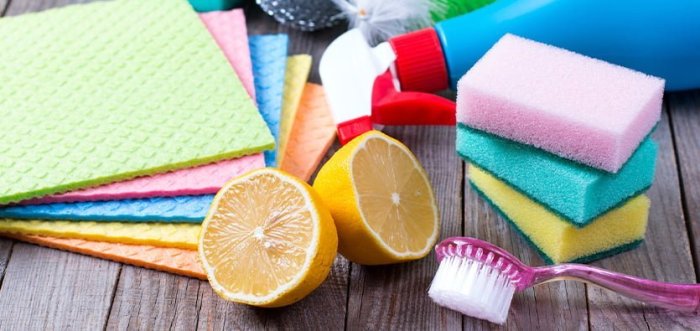
Despite the many advantages of eco-friendly cleaning supplies, several misconceptions persist. One common myth is that eco-friendly products are less effective than their traditional counterparts. In reality, many eco-friendly cleaners are formulated with powerful natural ingredients that rival chemical-based options.
Consumers may also face challenges when switching to eco-friendly alternatives, such as higher upfront costs or limited availability in local stores. To overcome these barriers, it is essential to educate oneself on the benefits and seek out local or online retailers that specialize in eco-friendly products.
Encouraging sustainable choices involves advocacy for eco-friendly brands, sharing success stories, and supporting policies that promote environmental responsibility in cleaning products. Many consumers find that the transition to eco-friendly cleaning supplies leads to a cleaner home and a healthier planet.