Overview of Fast Charging Cables
Fast charging cables have changed the way we power our devices, offering a quicker and more efficient charging solution. Utilizing advanced technology, these cables can transmit higher power levels to devices, significantly reducing the time it takes to charge smartphones and tablets. With various fast charging standards in the market, users can choose cables that best suit their devices and charging needs.
Technology Behind Fast Charging Cables
Fast charging cables incorporate technologies such as Power Delivery (PD), Quick Charge, and Adaptive Fast Charging. These technologies allow for increased voltage, current, and optimized communication between the charger and device. It is crucial for users to understand the specific fast charging standards available, including:
- USB Power Delivery (PD)
- Qualcomm Quick Charge
- Samsung Adaptive Fast Charging
- Huawei SuperCharge
Popular brands like Anker, Aukey, and Belkin offer high-quality fast charging cables that support these technologies, ensuring compatibility with a range of devices.
Benefits of Using Fast Charging Cables
Fast charging cables provide significant advantages over standard charging cables. They can drastically reduce charging times, allowing users to power up their devices quickly, which is essential in today’s fast-paced world. Research indicates that fast charging can cut down charging times by up to 75% compared to regular charging methods.
Charging Speed Comparison
The following table illustrates the difference in charging times between fast charging cables and standard cables:
| Cable Type | Charging Time (0-100%) |
|---|---|
| Standard Cable | 3-4 hours |
| Fast Charging Cable | 1-2 hours |
Compatibility with Devices
The compatibility of fast charging cables with different phone models depends on various factors, including the charging standards supported by the device and the cable’s specifications. Many popular smartphone brands have adopted fast charging technologies, enhancing user experience significantly.
Supported Fast Charging Standards
Most modern smartphones support multiple fast charging standards, including:
- Apple: Supports USB Power Delivery
- Samsung: Supports Adaptive Fast Charging
- Xiaomi: Supports Qualcomm Quick Charge
- OnePlus: Supports Warp Charge technology
Devices such as the iPhone 12, Samsung Galaxy S21, and Google Pixel 5 benefit significantly from fast charging technology.
Common Issues with Fast Charging Cables
Users often encounter issues when using fast charging cables, such as overheating, slow charging, or complete failure to charge. These problems can stem from various factors, including faulty cables or incompatible chargers.
Troubleshooting Steps
To address common issues, users can follow these troubleshooting steps:
- Ensure the cable and charger are compatible with the device.
- Check for any visible damage on the cable.
- Try using a different charging port or power outlet.
- Allow the device to cool down if it’s overheating before using again.
Maintenance and Care for Fast Charging Cables: Fast Charging Cables For Phones
Proper maintenance of fast charging cables is essential to ensure their longevity and performance. Users should adopt best practices in storage and handling to avoid damage.
Best Practices for Care, Fast Charging Cables for Phones
To maintain fast charging cables, consider the following checklist:
- Do: Store cables in a cool, dry place.
- Do: Avoid bending or twisting cables excessively.
- Don’t: Expose cables to extreme temperatures or moisture.
- Don’t: Use cables with visible wear or damage.
Future Trends in Fast Charging Technology
Emerging technologies in fast charging are set to enhance user experience further. Innovations like gallium nitride (GaN) chargers and wireless fast charging are gaining traction in the market.
Upcoming Innovations
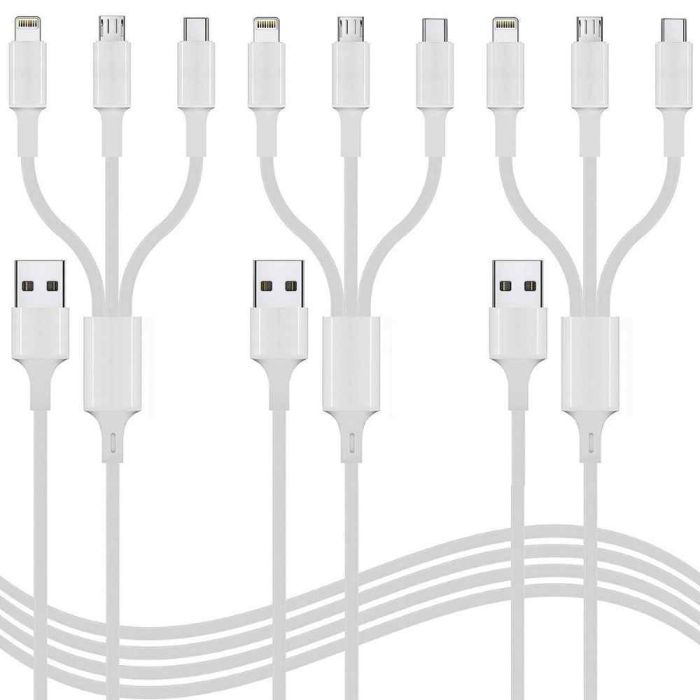
Research indicates that future fast charging standards may include advancements that allow for even higher power output and rapid charging capabilities. The following table summarizes anticipated fast charging innovations:
| Innovation | Expected Release |
|---|---|
| GaN Chargers | 2024 |
| Wireless Fast Charging 2.0 | 2025 |
Cost Analysis of Fast Charging Cables
Fast charging cables tend to be more expensive than standard cables, primarily due to the technology and materials used. However, a range of options is available to fit different budgets.
Price Comparison
When comparing prices, users can observe variations based on brand and specifications. Budget-friendly options can be found without sacrificing quality. For example, brands like Anker and Aukey offer reliable fast charging cables at competitive prices.
Environmental Impact of Fast Charging Cables
The sustainability of materials used in fast charging cables is increasingly important as electronic waste continues to grow. Eco-friendly alternatives are emerging as viable options for consumers.
Eco-Friendly Alternatives
Consumers can mitigate environmental impact by choosing cables made from sustainable materials or those that are easily recyclable. Statistics show that electronic waste from charging cables contributes significantly to global waste, and adopting greener practices can help reduce this issue.