Introduction to Antibacterial Hand Soaps
Antibacterial hand soaps are essential tools for maintaining hygiene in our homes. With the rise of illnesses and infections, the importance of effective hand hygiene cannot be overstated. Unlike regular soaps, which primarily remove dirt and germs through physical action, antibacterial soaps contain active ingredients that specifically target and kill bacteria. According to the Centers for Disease Control and Prevention (CDC), proper hand washing can reduce respiratory infections by 16% and gastrointestinal illnesses by 31%, showcasing the significant impact of hand hygiene on health.
Differences Between Antibacterial and Regular Soaps
Antibacterial soaps are formulated to eliminate bacteria, often containing specific active ingredients like triclosan or benzalkonium chloride. Regular soaps, while effective at cleaning, do not have these added antibacterial properties. The effectiveness of antibacterial soaps has been supported by studies indicating that they can reduce the presence of harmful bacteria on the skin more effectively than standard soaps.
Statistics on Hand Hygiene
Recent studies reveal that only about 67% of people wash their hands after using the restroom, and even fewer do so before eating. This lack of adherence to proper hygiene practices can lead to the spread of infections and illnesses, underscoring the need for effective handwashing solutions like antibacterial soaps.
Benefits of Using Antibacterial Hand Soaps
Utilizing antibacterial hand soaps offers numerous health benefits, particularly in environments where germs are prevalent. Regular use can significantly decrease the risk of infections, especially during cold and flu season.
Health Benefits
Frequent use of antibacterial hand soaps can lead to a marked reduction in the transmission of harmful bacteria and viruses, enhancing overall family health. In settings such as kitchens and bathrooms, where bacteria can thrive, the use of these soaps is particularly beneficial.
Effective Scenarios for Antibacterial Soap
Antibacterial soaps prove to be more effective in specific scenarios, such as:
- After handling raw food items
- When caring for a sick family member
- After returning home from crowded places
Expert Opinions
Experts in public health advocate the use of antibacterial soaps, especially in environments such as hospitals and schools, where the risk of infection is heightened. Testimonials from healthcare professionals highlight their critical role in preventing the spread of infectious diseases.
Key Ingredients in Antibacterial Hand Soaps: Shop Antibacterial Hand Soaps For Home Use
Understanding the active ingredients in antibacterial hand soaps can help consumers make informed choices about their hygiene products.
Common Active Ingredients
Common ingredients include:
- Triclosan: An antibacterial agent effective against a wide range of bacteria.
- Benzalkonium chloride: Known for its antiseptic properties.
- Chloroxylenol: Often used in hospitals for its effectiveness against harmful bacteria.
The Role of Moisturizers
Many antibacterial soaps also contain moisturizers like glycerin or aloe vera, which help prevent skin dryness, making them suitable for frequent use.
Natural versus Synthetic Agents
Natural antibacterial agents, such as tea tree oil and lavender oil, offer alternatives to synthetic ingredients. While they may be milder, studies suggest that synthetic agents can be more effective in killing bacteria.
Choosing the Right Antibacterial Hand Soap
Selecting an appropriate antibacterial hand soap requires consideration of various factors.
Product Evaluation Checklist
When evaluating antibacterial hand soaps, consider the following checklist:
- Active ingredients and their effectiveness
- Moisturizing properties
- Fragrance and skin sensitivity
- Price and brand reputation
Brand Comparisons
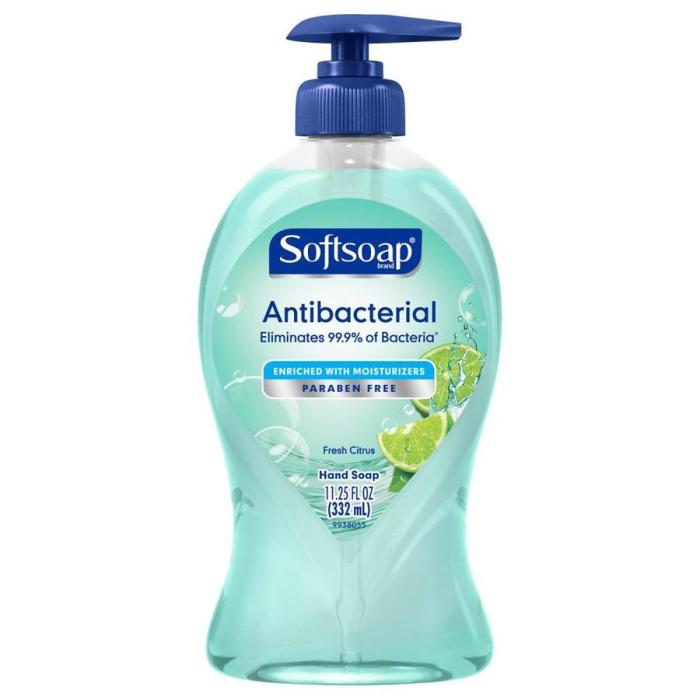
Popular brands such as Dial, Softsoap, and Mrs. Meyer’s Clean Day vary in effectiveness, scent, and price. Each brand offers unique formulations that cater to different consumer needs.
Table of Top-Rated Options
| Brand | Active Ingredient | Scent | Price Range |
|---|---|---|---|
| Dial | Triclosan | Crisp Clean | $3 – $5 |
| Softsoap | Benzalkonium Chloride | Wild Basil | $2 – $4 |
| Mrs. Meyer’s | Essential Oils | Lavender | $5 – $7 |
Proper Hand Washing Techniques
To maximize the effectiveness of antibacterial hand soaps, proper hand washing techniques are crucial.
Correct Method of Hand Washing
The recommended method involves the following steps:
- Wet hands with clean, running water.
- Apply enough soap to cover all surfaces of your hands.
- Rub hands together to create lather, ensuring to scrub all areas including between fingers and under nails for at least 20 seconds.
- Rinse hands thoroughly under clean water.
- Dry hands using a clean towel or air dry them.
Tips for Maximum Effectiveness
For optimal results, wash hands regularly, especially after being in public places, and ensure to follow the steps without skipping any part of the process.
Environmental Considerations
While antibacterial hand soaps are beneficial for hygiene, they also have environmental impacts that deserve attention.
Environmental Impact
The production and disposal of antibacterial soaps contribute to plastic waste and chemical runoff, raising concerns among environmentalists.
Choosing Eco-Friendly Options
Consumers can opt for biodegradable soap options or those packaged in recyclable materials, supporting sustainability efforts.
Reducing Plastic Waste
To minimize plastic waste, consider using refillable soap dispensers and purchasing larger containers of soap to reduce the frequency of single-use plastic packaging.
Myths and Misconceptions about Antibacterial Hand Soaps
There are several myths surrounding antibacterial hand soaps that need clarification.
Common Myths Debunked
One prevalent myth is that antibacterial soaps are always more effective than regular soaps. However, research shows that regular soap and water are sufficient for most everyday cleaning.
Risks of Overusing Antibacterial Products
Overuse of antibacterial soaps can lead to antibiotic resistance, making it crucial to use these products judiciously.
Regulatory Stance
Regulatory bodies, like the FDA, have addressed claims made by manufacturers, indicating that not all antibacterial soaps provide superior health benefits compared to traditional soap.
DIY Antibacterial Hand Soap Recipes
Creating your antibacterial hand soap at home can be a fun and rewarding process.
Simple DIY Recipe
A basic recipe includes:
- 1 cup of liquid Castile soap
- 1 cup of distilled water
- 10-20 drops of tea tree oil (for antibacterial properties)
Variations for Different Skin Types
For sensitive skin, consider using lavender oil instead of tea tree oil, or adding a tablespoon of coconut oil for extra moisturizing benefits.
FAQs about Antibacterial Hand Soaps
Common questions about antibacterial hand soaps often arise.
Frequently Asked Questions
1. Are antibacterial soaps safe for children?
– Yes, but they should be used with caution and under supervision.
2. Do antibacterial soaps really work better than regular soap?
– They can be more effective against specific bacteria, but regular soap is effective for general cleaning.
3. Can I use antibacterial soap on sensitive skin?
– Look for products labeled for sensitive skin, which typically contain milder ingredients.
Future Trends in Antibacterial Hand Soaps
The future of antibacterial hand soaps is poised for innovation and change.
Emerging Trends in Formulation
New formulations are being developed that not only kill bacteria but also include skin-nourishing ingredients, catering to health-conscious consumers.
Innovations for User Experience
Smart dispensers that provide the right amount of soap and have built-in timers to encourage proper handwashing practices are on the rise.
Consumer Preference Predictions, Shop Antibacterial Hand Soaps for Home Use
As sustainability becomes more critical, brands that prioritize eco-friendly ingredients and packaging are likely to capture the market’s attention in the coming years.