Importance of Safe Sanitizing Spray Bottles for Kids: Shop Sanitizing Spray Bottles Safe For Kids
In today’s world, ensuring cleanliness and hygiene is paramount, especially when it comes to our children. Using child-safe sanitizing spray bottles has become essential for parents who wish to maintain a healthy environment without compromising their kids’ safety. The significance of utilizing these specially designed bottles cannot be overstated, as they help prevent potential hazards that arise from unsafe cleaning products.
Unsafe spray bottles can pose serious risks, such as accidental ingestion, skin irritation, or exposure to harmful chemicals. According to a study published in the Journal of Pediatrics, nearly 25,000 children are treated in emergency rooms every year due to exposure to household cleaning products. This alarming statistic underscores the necessity for safer alternatives tailored for children’s use.
Features of Child-Safe Spray Bottles, Shop Sanitizing Spray Bottles Safe for Kids
Child-safe spray bottles are designed with specific features that prioritize the safety of young users. These features include:
- Child-Resistant Caps: Many safe spray bottles come equipped with caps that are difficult for children to open, minimizing accidental access.
- Non-Toxic Materials: Bottles made from BPA-free plastics or glass ensure that no harmful chemicals leach into the sanitizing solution.
- Ergonomic Designs: Spray bottles designed for small hands are easier for children to hold and use, reducing the likelihood of spills.
- Clear Labels: Labels that clearly Artikel contents and safety instructions are vital, helping caregivers understand usage guidelines at a glance.
These features collectively enhance the safety of sanitizing spray bottles, making them suitable for households with children.
Recommended Brands and Products
When it comes to finding safe sanitizing spray bottles for kids, several reputable brands are recognized for their commitment to safety and quality. Below is a table of top-rated products along with their specifications and safety features.
| Brand | Product Name | Material | Safety Features |
|---|---|---|---|
| SafetyFirst | Kids Safe Spray Bottle | BPA-Free Plastic | Child-Resistant Cap, Clear Labeling |
| EcoSpray | Eco-Friendly Spray Bottle | Glass | Non-Toxic, Reusable |
| CleanNest | Child Guard Spray Bottle | HDPE Plastic | Ergonomic Design, Safety Lock |
According to consumer feedback, products from these brands have received high ratings for their safety features and user-friendly designs, making them popular among parents.
DIY Safe Sanitizing Spray Solutions
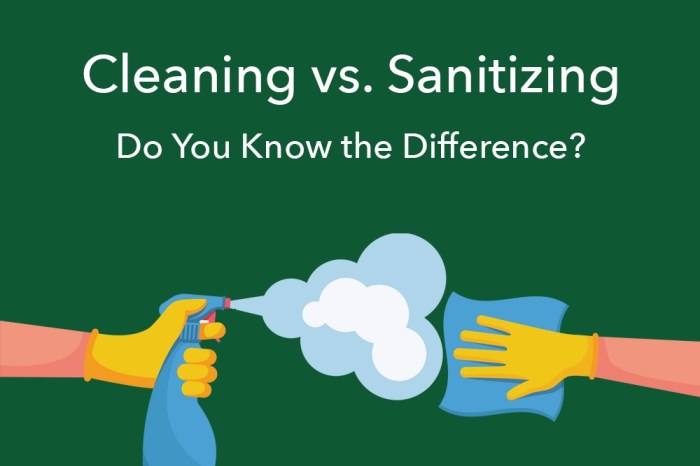
Creating a homemade sanitizing spray can be a safe and effective way to keep spaces clean without exposing children to harmful chemicals. Here’s how to make your own safe sanitizing spray using easily accessible ingredients:
Step 1: Collect your ingredients. You will need:
- 1 cup of water
- 1 cup of white vinegar
- 10 drops of tea tree oil (natural antiseptic)
Step 2: In a clean spray bottle, combine the water and vinegar.
Step 3: Add the tea tree oil and shake well to mix the ingredients thoroughly.
Step 4: Label the spray bottle clearly and store it out of reach of children.
This simple solution effectively combats germs and is safe for use around kids, providing peace of mind for parents.
Proper Usage and Storage Tips
Correct usage and storage of sanitizing spray bottles are crucial to ensuring children’s safety. Here are some guidelines to follow:
- Always supervise children when using sanitizing sprays.
- Use products only as directed on the label to avoid misuse.
- Store cleaning products in a locked cabinet or high shelf out of reach of children.
- Encourage kids to ask for help if they need to use cleaning products.
Additionally, here’s a checklist of dos and don’ts for parents:
- Do: Teach children the importance of cleanliness and safety.
- Don’t: Leave cleaning products unattended.
- Do: Use non-toxic and child-safe products.
- Don’t: Use adult-targeted cleaning products around children.
Educating Children on Safety
Instilling a sense of safety in children regarding cleaning products is essential. Strategies to teach children include:
- Discussing the purpose of cleaning products and their safe usage.
- Creating age-appropriate games that involve cleaning and safety practices.
- Using storytelling to illustrate the importance of being safe around chemicals.
Effective communication methods, such as role-playing scenarios, can help children grasp the significance of using cleaning products responsibly.
Comparing Commercial vs. Homemade Spray Bottles
When considering sanitizing options for families, both commercial and homemade spray bottles present their own advantages and disadvantages. The cost-effectiveness and suitability for kids vary significantly between these options.
- Commercial Spray Bottles: Generally more convenient and often specifically designed for safety. They may be more expensive but offer guaranteed safety features.
- Homemade Solutions: Cost-effective and customizable but require proper understanding of safe ingredients and preparation methods.
The following table summarizes the key differences:
| Aspect | Commercial Spray Bottles | Homemade Spray Bottles |
|---|---|---|
| Cost | Higher | Lower |
| Safety | Certified | Depends on ingredients |
| Convenience | Ready-to-use | Requires preparation |
Understanding these differences can help families make informed decisions based on their specific needs.
Regulatory Standards and Safety Certifications
The safety of sanitizing products for children is governed by various regulations to ensure their well-being. Organizations such as the U.S. Consumer Product Safety Commission (CPSC) and the Environmental Protection Agency (EPA) set stringent standards for testing and labeling cleaning products for safety.
Safety certifications, such as those from the American National Standards Institute (ANSI), provide consumers with assurance about the safety and efficacy of products. Parents can look for these certifications as a guide when selecting sanitizing products for their children.
A list of organizations that rate and certify the safety of cleaning products includes:
- American Society for Testing and Materials (ASTM)
- EcoLogo
- Green Seal