Overview of Time-Lapse Cameras: Time-Lapse Cameras With Tripod
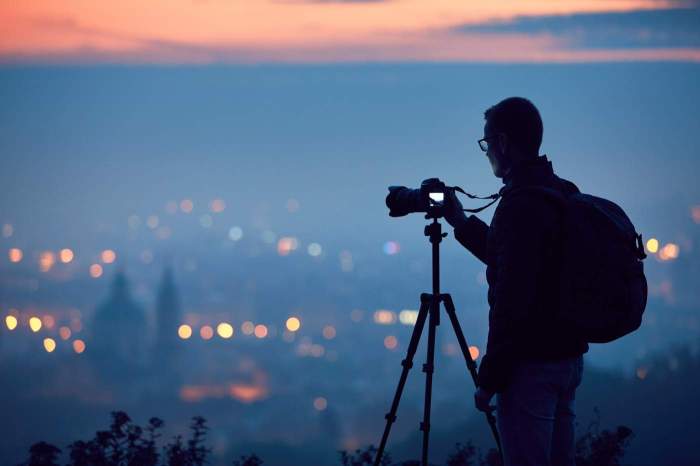
Time-lapse photography is a captivating technique that condenses hours, days, or even months of activity into a few seconds of stunning visuals. This method not only showcases the passage of time but also tells a story that can inspire awe and wonder. With the rise of digital technology, time-lapse cameras have become more accessible, allowing both amateur and professional photographers to experiment with this innovative form of visual storytelling.
There are various types of time-lapse cameras available in the market today, each tailored to different needs and preferences. From compact action cameras to sophisticated DSLR systems, enthusiasts can choose equipment based on their budget and desired features. When selecting a time-lapse camera, consider key features such as resolution, interval settings, battery life, and ease of use. These elements significantly impact the quality and versatility of your time-lapse projects.
Importance of Tripods in Time-Lapse Photography
Tripods play a critical role in stabilizing time-lapse shots, ensuring that each frame is steady and aligned for a seamless final product. Without the support of a tripod, even the slightest movement can lead to shaky footage, detracting from the visual impact of the sequence. The advantages of using a tripod over handheld shooting are numerous; a tripod allows for consistent framing, eliminates unwanted camera shake, and provides the flexibility to adjust heights and angles effortlessly.
When it comes to tripods suitable for time-lapse photography, there are several types to consider:
- Aluminum Tripods: Durable and budget-friendly, ideal for beginners.
- Carbon Fiber Tripods: Lightweight and sturdy, perfect for outdoor shooting.
- GorillaPod Tripods: Flexible legs allow for creative positioning on uneven surfaces.
- Heavy-Duty Tripods: Designed for professional use, capable of supporting heavy cameras and equipment.
Setting Up a Time-Lapse Camera with a Tripod
Setting up a time-lapse camera on a tripod requires careful planning to ensure optimal results. Start by choosing a suitable location that offers an unobstructed view of the scene. Follow these steps:
- Securely attach the camera to the tripod using the mounting plate.
- Adjust the tripod to the desired height and angle.
- Ensure the camera is level using the built-in bubble level or by adjusting the legs.
- Select the appropriate interval settings for your time-lapse sequence.
- Check battery levels and memory card capacity before starting the shoot.
For best practices, position the camera at eye level or slightly above, depending on the subject. Avoid shooting directly into the sun to prevent lens flare and consider using a neutral density filter for better exposure control. Securing the tripod is crucial; use sandbags or weights to prevent movement caused by wind or accidental bumps.
Techniques for Capturing Stunning Time-Lapse Shots
Creating compelling time-lapse sequences involves a combination of artistic vision and technical skill. Various techniques can enhance the quality of your footage:
- Motion Control: Use a slider or motorized head to add movement to your shots.
- Adjusting Frame Rate: Experiment with different frame rates to find the most captivating speed for your subject.
- Lighting Adjustments: Utilize natural light changes or artificial lighting for dramatic effects.
Common mistakes to avoid include forgetting to set the correct exposure settings, not allowing enough time between shots, and failing to monitor battery life during extended shoots.
Post-Production for Time-Lapse Videos
Editing is where the magic happens in time-lapse photography. The process of editing time-lapse footage using popular software like Adobe Premiere Pro or Final Cut Pro can significantly enhance the visual appeal of your project. Focus on:
- Stabilizing footage to eliminate minor shakes.
- Enhancing colors and contrast to make the images pop.
- Incorporating transitions, music, and effects to create a cohesive narrative.
Comparing various editing techniques can help improve time-lapse quality. For instance, using keyframe animations can add dynamic elements, while layering soundtracks can elevate the emotional impact of the visuals.
Applications of Time-Lapse Photography
Time-lapse photography finds its applications across various fields such as nature, construction, and events. From capturing the blooming of flowers to documenting the construction of skyscrapers, the versatility of time-lapse is evident. Notable case studies include:
- The transformation of a cityscape over a decade, showcasing urban development.
- Documenting natural phenomena like sunsets or the changing seasons.
- Events like weddings and concerts, preserving memories in a unique format.
Emerging trends in time-lapse photography include advancements in drone technology and AI-assisted editing processes, providing new creative possibilities for filmmakers and photographers alike.
Recommended Time-Lapse Cameras and Tripods, Time-Lapse Cameras With Tripod
Choosing the right equipment can make all the difference in your time-lapse photography journey. Here’s a comprehensive list of top-rated time-lapse cameras:
- Canon EOS R5
- Nikon Z6 II
- GoPro HERO10 Black
- Sony A7 III
For tripods, consider the following recommendations based on user reviews and specifications:
- Manfrotto Befree Advanced Aluminum Tripod
- Gitzo Series 1 Traveler Tripod
- Joby GorillaPod 5K Kit
- Benro Mach3 Aluminum Tripod
Budget ranges for time-lapse cameras and tripods vary, with entry-level options starting around $200, while professional setups can exceed $2,000, reflecting the diversity in quality and features available on the market.